Back to Blog overview
How low back pain and neck pain are correlated
Have you experienced low back pain and then months or years later felt a similar pain in your neck? You may or may not have noticed how low back pain and neck pain are correlated. You may have simply picked up your child or a box off the ground and suffered a low back spasm. Or, you may have turned your neck one day and the same thing happened. You may not have given much thought to how low back pain and neck pain relate to each other. Well, they aren’t separate, there is only one spine. 
Back pain is the worst and costs thousands of dollars in lost revenue. About 80% of people will suffer from it at least once in their lives. The hours lost from work, going to doctors and not being able to play with your kids is disheartening.
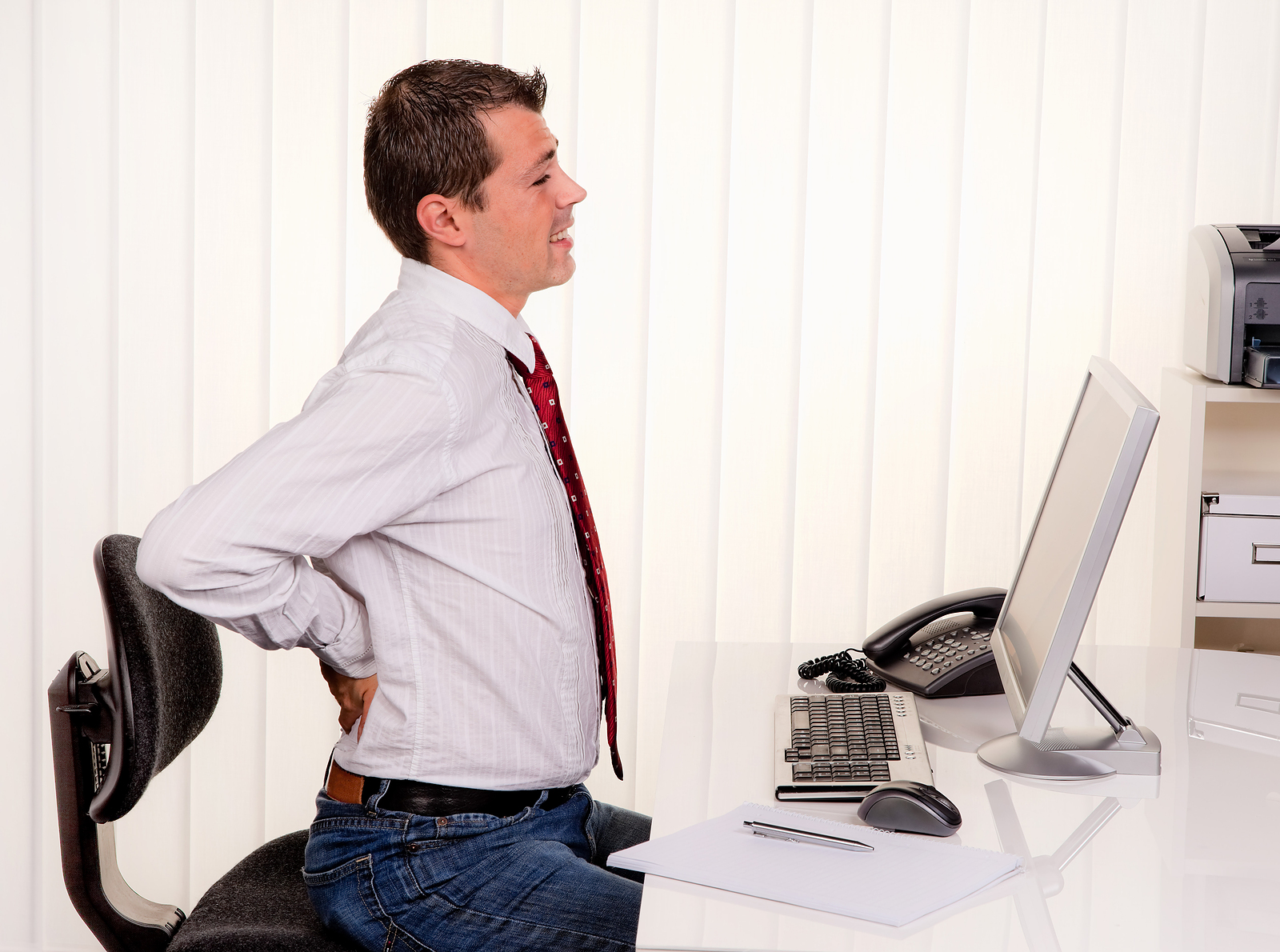
People spend more time sitting at desks for their jobs or at school than ever before. Americans walk less than Europeans and experience more back pain because people sit too much instead of moving. Europeans walk every day and report less back pain. Our bodies demand movement rather than constant sitting.
Compression of the discs, joints and connective tissues is often the cause of back and neck pain. Compression from sitting too often, or walking against your gravity line. Scoliosis from lifting incorrectly, playing an instrument on one side vs the other or a sport. Scoliosis can be fixed with specific exercises that can be done at home.
Lumbar and cervical disc injury are highly correlated
”
There is an approximately 72% injury correlation within five years of injuring either the neck or lumbar pelvic region. This means that if you injure your neck, you are highly likely to injure your lower back within five years if you do not strengthen the area properly. This strong connection highlights how closely the upper and lower parts of the spine depend on each other for stability and support.
Furthermore, trauma to one area of the spine can negatively impact distant muscles due to the body’s interconnected nervous system. Fitness expert Paul Chek states, “Any trauma to the neck or spine causes a neurological impairment to the shoulder-arm complex.” Because spinal nerves connect to various muscles, pain in one area often originates from another.
This relationship is clearly mapped out in our anatomy. The cervical plexus innervates C1 through C4, serving muscles like the upper trapezius, sternocleidomastoid (SCM), omohyoid, levator scapulae, and rhomboids. Meanwhile, the brachial plexus feeds the remaining shoulder musculature through C5 to T2. Because these nerve networks overlap, tight levator scapulae or rhomboid muscles might cause pain in your elbow or shoulder, rather than an issue at the pain site itself. To address these complex connections, be sure to get a qualified health practitioner to assess you properly and give you the appropriate exercises or stretches.
The body moves together as a interconnected unit. Because the neck and lower back are directly related, you must strengthen your entire musculoskeletal system rather than focusing on isolated movements. The only exception to this holistic training is short-term rehabilitation targeting a specific injury.
If you do not correct a neck disc issue properly, you face a high likelihood of developing a lumbar problem within five years. Desk jobs make this risk much worse. Sitting in front of a computer all day causes rounded shoulders, neck pain, forward head posture, tight hamstrings, weak hip flexors, and a flat back.
Continuous physical activity is the best way to reverse this damage. Regular movement keeps your muscles fully engaged, supports overall joint health, and directly prevents the stiffness and pain caused by modern, sedentary routines.
If you are unsure how to start or are recovering from a major injury, hire an experienced personal trainer. A qualified professional will perform a proper assessment and create a custom program for you. Walking and hiking are also a great ways to stay active if you don’t care for gyms or indoor classes. Whatever you decide just remember that to stay active creates a youthful energy and is one great way to stay young whatever your age.
Leave a Reply