Back to Blog overview
Why am I so tight? Benefits of Stretching
 Did you know that there is a length tension relationship in skeletal muscle that allows for better fitness performance. In layman’s terms if you’ve ever wondered “Why am I so tight?” and, had nagging injuries I hope this blog will help. The benefits of stretching are so important. Oftentimes, people who love to do an intense weightlifting session or high intensity class do not like stretching. I often wonder what is the psycho – emotional connection to that is. Could it be the mind is too rigid? I mean, imagine if all you needed to do is stretch so that you could continue into your older ages and never need even one surgery? Wouldn’t that be worth doing, just a few daily stretches?
Benefits of Stretching & Types
Stretching offers many physical and mental benefits including, increased mobility, hydration, reduced risk of injury, improved posture, decreased joint pain and stress relief. There are different types of stretching too. Static stretching, dynamic stretching, myofascial stretching which we’ll discuss more here so you can learn the differences.
- Static stretching: Static stretching involves elongating a specific muscle to its furthest comfortable point and holding that position without moving. According to guidelines from the Mayo Clinic, these should be held for about 30 seconds. It is highly effective for long-term flexibility but should be performed after a workout when muscles are already warm.
- Dynamic stretching: Dynamic stretching relies on continuous, controlled movements that mimic the exercises or sports you are about to perform. Instead of holding a position, you gently move your joints and muscles through their full range of motion repeatedly. This increases blood flow and muscle temperature, making it the ideal choice for a pre-workout warm-up such as, leg swings, arm circles, wrist circles, hip circles, high knees, hip mobility 90/90.
- Myofascial stretching: Myofascial stretching targets the fascia—the connective tissue enveloping muscles and joints—to release tension, ease pain, and restore mobility. Unlike traditional stretching, it utilizes slow, sustained pressure and gentle elongation rather than bouncing, allowing tight connective tissues to “soften” and lengthen naturally over several minutes. This is one of my favorites because it gives space to the muscle and it changes the tissue with longer lasting results.
- PNF stretching: Proprioceptive Neuromuscular Facilitation (PNF) is an advanced technique that alternates between contracting and relaxing the targeted muscle group. This trick of the nervous system bypasses the muscle’s natural stretch reflex, allowing for rapid gains in flexibility. It is often used in physical therapy and athletic rehabilitation.
Following is a table:
| Stretching Type |
Best Time to Use |
Main Benefit |
Risk Level |
| Dynamic |
Before a workout |
Increases blood flow & power |
Low |
| Static |
After a workout |
Resets muscle length & cools down |
Low |
| Myofascial |
Post-workout or recovery days |
Releases tight connective tissue restrictions |
Low to Medium |
| PNF |
Separate flexibility session |
Fastest way to boost range of motion |
Medium (requires precision) |
How to prevent injury
- Enhances tendon & muscle elasticity – In explosive sports involving rapid jumping, changing directions, or sprinting, your muscles and tendons must act like rubber bands to absorb and release energy. Stretching increases the elasticity of these tissues. A compliant muscle-tendon unit can tolerate a much higher load and stretch further before a tear or strain occurs.
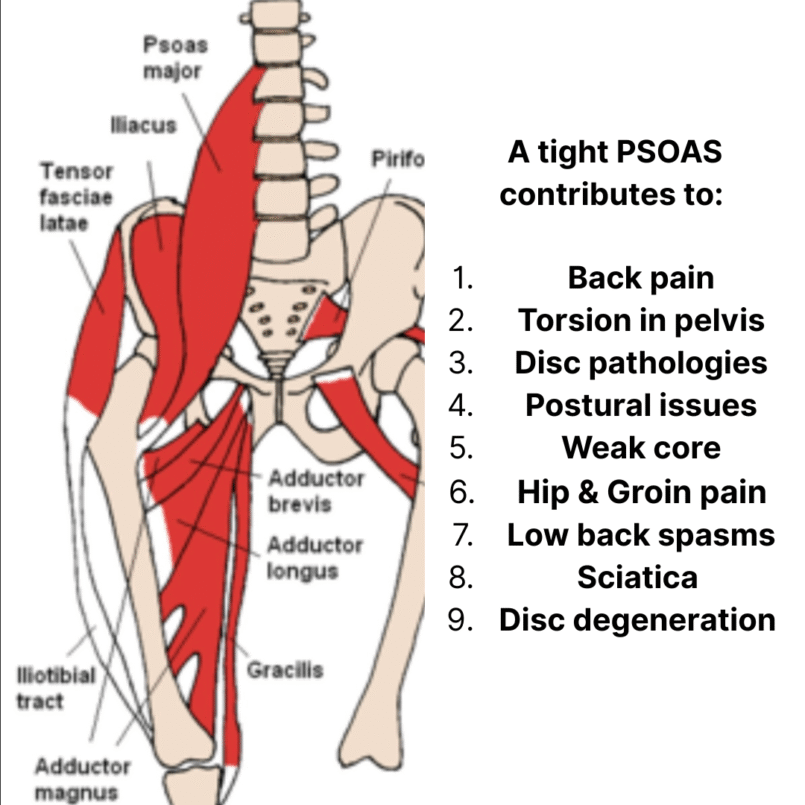
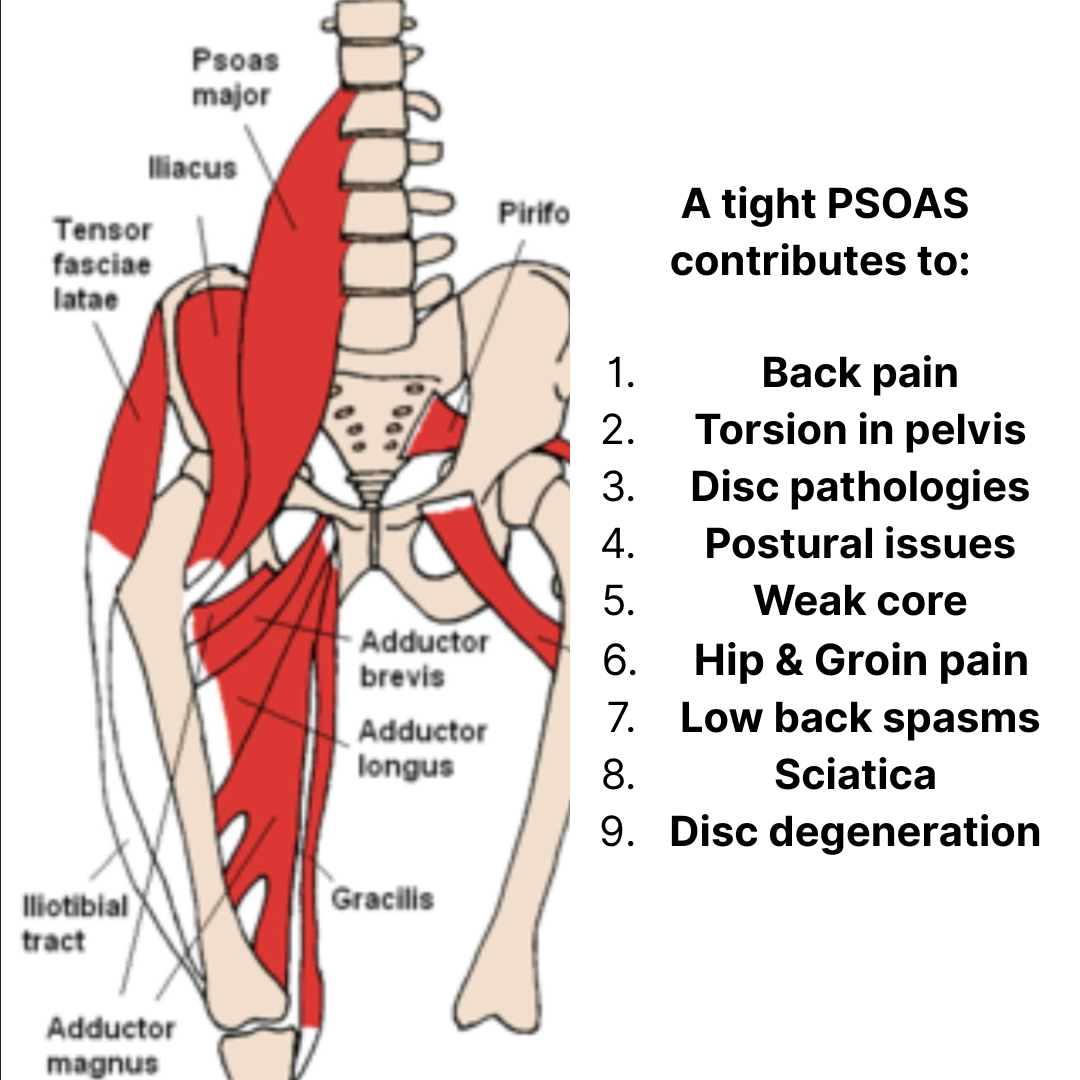
- Correcting muscle imbalances – Sitting at a desk or repeating the exact same movement pattern causes certain muscles to shorten and tighten, while opposing muscles weaken. For example, tight hip flexors alter your pelvis alignment, forcing your lower back and hamstrings to overwork to compensate and that means they are tight which, will cause back pain. Stretching the tight areas restores structural balance, ensuring that no single muscle group takes on destructive, excessive force.
- Better coordination and reflexes – When performed as a pre-workout warm-up, dynamic stretching triggers neuromuscular activation. This means it wakes up the pathways between your brain and your muscles, improving coordination and reflex timing. Better coordination prevents “coordination failures,” which are the root cause of many acute sports injuries like rolled ankles or misstepped landings.
- Improves your range of motion – Tight joints restrict your natural movement. If your ankles or hips are tight, your body will force your knees or lower back to bend in unnatural ways to finish a movement (like a squat or a heavy lift) and will lead to eventual injury. Regular stretching expands your joint mobility, allowing you to move through a full, safe range of motion without transferring dangerous stress to other joints.
- Increase water absorption and blood flow – Stretching physically pumps oxygenated blood and essential nutrients into your soft tissues. This increased circulation reduces muscle stiffness, lubricates your joints with synovial fluid, and makes the tissue more pliable and resilient before you put it under stress. Myofascial stretching helps with water absorption by mechanically pumping fluid through the connective tissue matrix and altering its biochemical ability to bind water. If you drink water but remain sedentary, that fluid can stagnate in your bloodstream or digestive system rather than reaching tight, restricted tissues.
Conclusion
Ultimately, stretching is not a one-size-fits-all practice and, you have to find the best fit for you, but myofascial stretching stands out as the single most comprehensive type for total-body resilience and injury prevention. Traditional methods like static or dynamic stretching focus heavily on isolating individual muscles. Myofascial stretching, however, targets the continuous connective tissue web that binds the entire body together. By releasing deep structural restrictions across these fascial lines, it optimizes full-body elasticity, restores true movement balance, and protects joints far more effectively than standard techniques.
To maximize these structural benefits, a strategically timed routine is essential. Athletes should still utilize dynamic movement to wake up the nervous system during pre-workout warm-ups. However, dedicating post-workout recovery sessions to myofascial and PNF stretching provides the ultimate defense against chronic tightness and strain. Investing time into the fascial system turns temporary flexibility into lasting, injury-resistant structural health and, keeps the surgeons away.
Leave a Reply

 Did you know that there is a length tension relationship in skeletal muscle that allows for better fitness performance. In layman’s terms if you’ve ever wondered “Why am I so tight?” and, had nagging injuries I hope this blog will help. The benefits of stretching are so important. Oftentimes, people who love to do an intense weightlifting session or high intensity class do not like stretching. I often wonder what is the psycho – emotional connection to that is. Could it be the mind is too rigid? I mean, imagine if all you needed to do is stretch so that you could continue into your older ages and never need even one surgery? Wouldn’t that be worth doing, just a few daily stretches?
Daniel Johnson
July 6th, 2026Great info! Thanks so much for identifying the difference in a static vs a dynamic stretch and when to do them – pre and post workout. Super helpful!
Nancy
July 8th, 2026Very interesting!!
What’s best for hip flexors?
Sculpted Physiques
July 13th, 2026There are a few hip flexor muscles so it would depend on which one is needed. However, usually it’s the Psoas or Rectus Femoris and I have 2 videos of myofascial stretches for those on my instagram page to refer to. Hope that’s helful!