
 I’m sure you hear it often – to lose weight you must eat less and exercise more but the truth is that it’s a bit more complicated than that. Understanding metabolism and weight loss will help solve many frustrations.
In this article, my hope is to help you understand about metabolism and weight loss so you can have long-term success. You’ll come to understand that yes, what you eat and how you move matter. However, it also has a lot to do with how your metabolic rate is functioning.
I want you to re-think how you go about trying to lose weight. Fad diets don’t work and hurt your metabolism in the long-term. I want you to learn how to do it right. And, to feel less guilty and ashamed if you’ve failed on various diets.
A person’s metabolism and weight loss is contingent upon a few different factors and can vary from person to person. Lifestyle habits lead to long-term success. It might take longer but it’s worth it. Short-term fad diets can really slow down your metabolism of which, you may not recover from.
Metabolism is the process by which your body converts what you eat and drink into energy. During this complex biochemical process, your body combines oxygen with calories from food and beverages to release the energy it needs to function.
So now let’s think about all the things you do during the day and night that requires energy, i.e. everything.
Evidence shows yo-yo dieting slows metabolism. This history explains why past clients who embraced short-term fad diets failed to lose weight, aged prematurely, and missed long-term success. Never making the long-term lifestyle changes needed.
With many fad diets the calories are kept extremely low, in essence starving the body. When the diet ends the body fights to put the weight back on due to the short-term deprivation and starvation.
There is also the set point theory. It is the range in which your body is programmed to function optimally. Set point theory holds that one’s body will fight to maintain the weight range you have held for over a year or longer.
Other factors that affect metabolism and weight loss are;
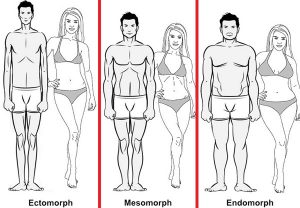 So you can see that weight loss is a bit more complicated than simply eating less and exercising more. Yes, you do need to burn more calories than you use, however the process itself is multifaceted.
You can’t control how your body burns energy. You can burn more calories though by being more active throughout your day including, simply fidgeting.
Having a sedentary lifestyle decreases energy expenditure and calories that are used. Having a movement mindset rather than a sedentary one helps to burn more energy during the day. Those that are said to have a “fast” metabolism most likely just move more during the day. Those that have a “slow” one don’t move much and likely have tried many fad diets.
Watch people sometime you can see those that walk fast tend to have a healthier weight. Whereas those that walk really slow or move slow tend to have more weight on them.
3 great ways to help your metabolism with exercise are:
There are many factors that contribute to metabolism and weight loss. Again, I will reiterate that it’s not simply a matter of eating less and exercising more the way you may think it is. Stress, sleep, exercise, genetics, hormonal function, age, and gender all play a role in how you burn energy/calories. Change your lifestyle and habits and stop trying to find the next fad diet or extreme exercise program. It’s the daily changes you incorporate that will create the long-term success.
Eden
December 17th, 2017Great read Leila!!!
Eden
December 17th, 2017Great read Leila!
Sculpted Physiques
December 18th, 2017Thanks Eden!!